
Understanding Diabetic Retinopathy Treatment Options
Diabetic retinopathy is a serious eye condition that affects millions of individuals with diabetes. It occurs when high blood sugar levels damage the blood vessels in the retina, leading to vision impairment and, in severe cases, blindness. Understanding the various diabetic retinopathy treatment options available is crucial for those at risk. This article will delve into treatment options, various approaches, and the importance of early detection to help manage and potentially reverse the effects of this disease.
What is Diabetic Retinopathy?
Diabetic retinopathy is a complication of diabetes characterized by damage to the blood vessels in the retina. It typically progresses through two stages: non-proliferative and proliferative diabetic retinopathy. In the non-proliferative stage, the blood vessels become weakened, causing leakage of fluid and bleeding. As the disease advances to the proliferative stage, new, abnormal blood vessels grow on the retina's surface, which can further compromise vision.
Importance of Early Detection
Early detection of diabetic retinopathy is vital in preventing severe vision loss. Regular eye examinations can identify the condition before significant damage occurs. The American Academy of Ophthalmology recommends that individuals with diabetes have an annual eye exam to assess their risk and monitor any changes in retinal health.
Overview of Treatment Methods
Treatment for diabetic retinopathy varies depending on the severity of the condition. Options may include laser therapy, injections, and surgical procedures. Each treatment's effectiveness can differ based on individual patient factors such as the progression of retinopathy and overall health.
Surgical Approaches for Diabetic Retinopathy
Vitrectomy: When is it Necessary?
Vitrectomy is a surgical procedure used to treat advanced diabetic retinopathy, especially in cases involving significant bleeding in the vitreous cavity or tractional retinal detachment. During this procedure, the surgeon removes the vitreous gel and any scar tissue that may be pulling on the retina. Vitrectomy can significantly improve vision for those with severe complications.
Laser Treatments: Types and Effectiveness
Laser treatments are a common approach to managing diabetic retinopathy. There are two main types: focal laser therapy and panretinal photocoagulation. Focal laser therapy targets specific leaking blood vessels to reduce swelling, while panretinal photocoagulation aims to shrink abnormal blood vessels across the retina. Studies indicate that laser photocoagulation can reduce the risk of severe vision loss by up to 50%.
Post-Surgical Recovery and Outcomes
Recovery from surgical interventions for diabetic retinopathy varies by individual but generally involves monitoring vision changes and adhering to follow-up appointments. Patients may experience improvements in their vision, though some may not achieve complete restoration. Overall, the success of surgical treatments often correlates with early intervention and managing diabetes effectively.
Non-Surgical Treatment Methods
Medications: Injection Therapies
Anti-VEGF (vascular endothelial growth factor) injections are a non-surgical approach commonly used to treat diabetic retinopathy. These medications work by inhibiting the growth of abnormal blood vessels that contribute to retinal damage. Patients usually receive these injections every few weeks, and studies have shown significant improvement in vision for many individuals treated with these therapies.
Oral Medications and Their Role
Oral medications, while not typically the primary treatment for diabetic retinopathy, can play a supportive role in managing diabetes, thus indirectly affecting retinal health. Medications that control blood sugar levels, blood pressure, and cholesterol can reduce the risk of developing or worsening diabetic retinopathy.
Managing Diabetic Conditions to Prevent Progression
Preventing the progression of diabetic retinopathy relies heavily on effective management of diabetes. Consistently maintaining blood glucose levels, regular physical activity, and a balanced diet can help minimize retinal damage. Patients are encouraged to work closely with their healthcare team to establish a comprehensive management plan tailored to their specific needs.
Lifestyle Changes to Support Treatment
Nutrition and Eye Health
Nutrition plays a critical role in managing diabetes and protecting eye health. Diets rich in antioxidants, vitamins C and E, omega-3 fatty acids, and lutein can support retinal health. Foods such as leafy greens, fish, nuts, and orange fruits are excellent choices. Patients should focus on a low-glycemic index diet to help stabilize blood sugar levels.
Regular Eye Exams: What to Expect
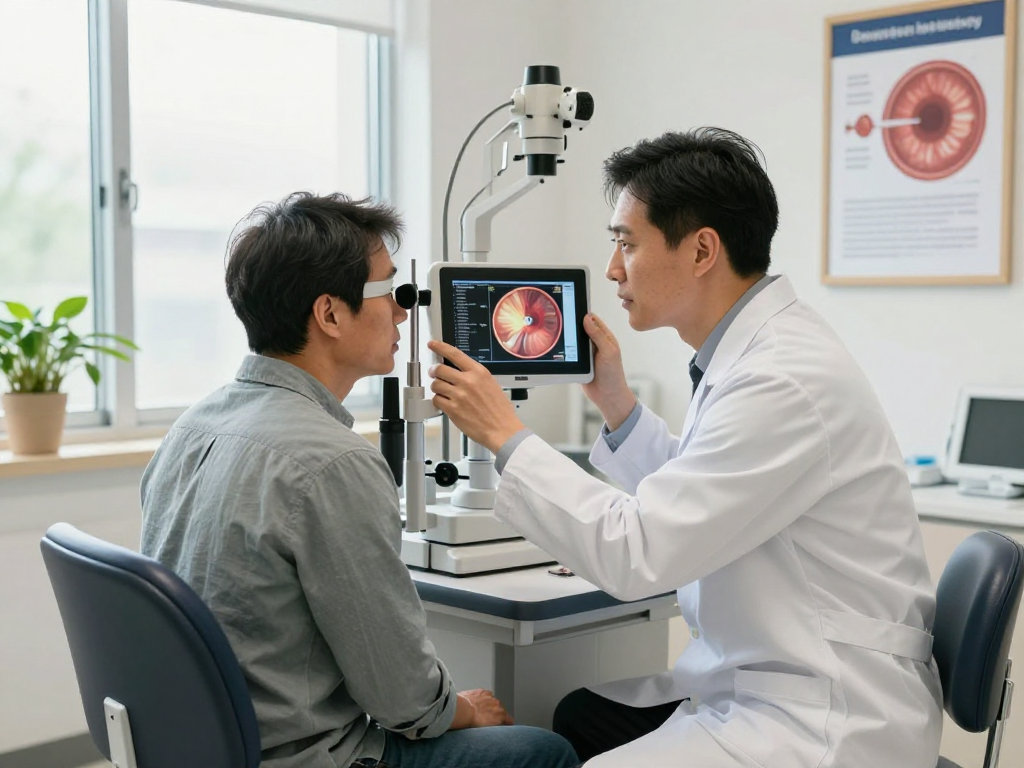
Regular eye exams are essential for anyone with diabetes, as early detection of diabetic retinopathy can prevent severe complications. During these exams, an eye care specialist will perform various tests to evaluate the retina, including a dilated eye exam to assess the retina's health and identify any abnormalities.
Exercise and Its Benefits for Diabetic Patients
Engaging in regular physical activity can significantly improve the overall health of individuals with diabetes. Exercise helps in controlling blood sugar levels, reducing body weight, and improving cardiovascular health. A combination of aerobic and strength training exercises is often recommended for its holistic benefits.
Future Trends in Diabetic Retinopathy Treatments
Emerging Technologies in Eye Care
Advancements in technology are paving the way for new and improved treatments for diabetic retinopathy. Innovations such as retinal imaging systems and artificial intelligence are assisting in early diagnosis and monitoring of the disease. These technologies can provide healthcare professionals with better insights into patient conditions, ultimately leading to more effective treatment plans.
Predictive Analytics for Treatment Outcomes
Predictive analytics is becoming increasingly valuable in managing diabetic diseases, including retinopathy. By leveraging data to forecast treatment outcomes, healthcare providers can tailor interventions more accurately to individual patient profiles, enhancing the overall effectiveness of care.
Patient-Centric Approaches in Healthcare
With a shift toward patient-centric care, healthcare systems are focusing on personalized treatment plans that consider patients' unique circumstances and preferences. This approach is crucial for managing chronic conditions like diabetes effectively and ensures that patients are engaged in their health decisions.
What are the latest advancements in diabetic retinopathy treatment?
Recent advancements in diabetic retinopathy treatment include new anti-VEGF therapies, improved laser techniques, and stem cell research. These innovations aim to enhance visual outcomes and reduce the need for invasive procedures, offering hope to patients with various stages of the disease.
How often should people with diabetes get eye exams?
Individuals with diabetes should have a comprehensive eye exam at least once a year. Those with existing diabetic retinopathy or other complications may require more frequent evaluations as recommended by their eye care professional.
What supportive therapies are available for diabetic retinopathy?
Supportive therapies for diabetic retinopathy may include vision rehabilitation, nutritional counseling, and diabetes education programs. These strategies aim to help patients cope with the emotional and practical aspects of living with a chronic condition.
What is the role of telemedicine in diabetic eye care?
Telemedicine is revolutionizing diabetic eye care by providing remote monitoring and consultations. This approach increases access to specialists, particularly for those living in rural or underserved areas, ensuring timely evaluation and treatment planning.
Can diabetic retinopathy be reversed?
While diabetic retinopathy cannot be completely reversed, early detection and treatment can significantly slow its progression and improve vision. Patients who actively manage their diabetes and adhere to treatment protocols have the best chances of maintaining their vision and quality of life.